
Calf care Guide
Caring for calves is essential to ensure their health and well-being, whether they are newborn calves or older calves. Here is a comprehensive calf care guide to help you raise healthy and thriving calves:

Essential Supplies
-

Milk Replacer
We recommend Profelac Gold, Palastart Green & MaxCare Ultimate.
-
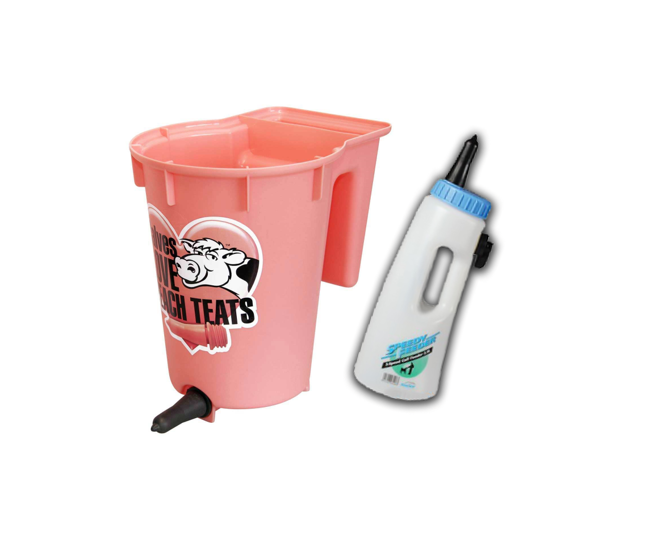
Bottle Feeding
Depending on your preference you can use a fence feeder/bottle:
Fence Feeder: Peach Teat
Bottle: 3Lt Speedy Feeder -

Basics
Scales: To measure out the milk replacer
Measuring Cup: To measure out the water
Whisk: To ensure there are no lumps -

Hard Feed
Pellets: Crumble/muesli under 3 months or pellets over 3 months
Lick Block: Trace Element
Hay: Oaten, Barley or Clover -

Emergency Supplies
Probiotics: BioBoost paste
Electrolytes: Vytrate liquid or sachet
Coat : For sick calves or cold weather
Stomach Tube: McGraths stomach tube feeder for sick calves -

Clean-up
Straw: Bedding hay or wood shavings
Disinfectant: Hydrated Lime applied to the soil under bedding
Pooper Scooper: Pitchfork or shovel.
Feeding
-
Maintaining a consistent feeding schedule is vital as calves require a great deal of time to digest the milk proteins.
Morning Feedings should be between 5am - 7am and afternoon feedings between 3pm - 6pm. Always allow a minimum of 8-hours between milk feeds.
If calves are unwell or have recently travelled, they will be required to have an electrolyte feed. This will need to be fed between 11am-12pm to ensure it does not clash with milk feeds.
-
Always ensure your equipment is sterilised prior to preparing your buckets.
Follow the instructions on the bag of formula for instructions for mixing. Ensure there are no lumps, and the temperature is luke warm. Never add boiling water to the formula just warm tap water. Always use measuring jugs and scales to ensure an accurate measurement.
If calves are unwell use a handheld bottle or stomach feed tube to feed them. Click here to learn how to tube feed.
-
Some calves will require you to guide them to the feeders and even hold their mouths over the teat. Once they realise that there is milk, they will quickly get the hang of it.
If you have multiple calves try and space out the bucket feeders on the fence as the faster feeders will try and bunt the others off. Monitor them closely as they feed and track their intake if they don’t finish their feed. This can help us to preempt if a calf is beginning to become unwell as refusing to feed is one of the first symptoms.
-
Always ensure you are offering your calves free access to a good quality hay to encourage rumen development. Additionally, offer small amounts of daily pellets, crumble/muesli depending on their age as they are high in protein which is vital to a calves development.
When choosing hard feed for your calves, consider the following tips:Consult with your produce store or veterinarian to determine the appropriate feed for your specific circumstances.
Consider the age, weight, and growth stage of your calves when selecting feed.
Ensure that feed is free from contaminants, mold, or spoilage.
Follow recommended feeding guidelines on the feed label.
Gradually introduce new feeds to prevent digestive upset like bloat/colic.
Regularly monitor your calves growth and condition, and adjust their diet as needed to meet their changing nutritional requirements. Providing clean water at all times is also crucial to support their overall health and digestion.
-
Never feed your calves more than your milk replacer recommends based on age or weight. Calves may appear hungry after they have finished but overfeeding causes bloat which is FATAL.
If you notice calves cross-sucking on each other ears leave the feeders out for 20 minutes after they have finished, this way they will use the teats until they realise it’s all gone.
We recommend always keeping a record of calves feeding schedule and general demeanor, if you notice anything concerning it is important to consult your vet.
If your calf refuses to feed it is imperative that you keep them hydrated by using the stomach tube feeder. Click here to learn how to tube feed. Calves can become dehydrated within a matter of hours, and this can be fatal. Keep feeding milk twice per day via tube and add 2 electrolyte feeds during the day. We always recommend calling your vet as soon as you can as young calves can go downhill so fast.

Weaning
Once your calf reaches 10 weeks of age and you have seen your calves grazing and eating hay/pellets throughout the day you can begin weaning. The easiest way to approach weaning is to break it down into a 3-week stage.
-
Keep your twice daily milk feeding schedule AM and PM, reduce the volume of milk being fed by 1 litre per feed. E.g. If your calves are on 3 litres twice daily reduce this feed to 2 litres twice per day.
-
Keep your twice daily milk feeding schedule AM and PM, reduce the volume of milk being fed by 1 litre per feed. E.g. If your calves are on 2 litres twice daily reduce this feed to 1 litre twice per day.
-
Reduce down to 1 milk feed per day of 1 litre, ideally you would keep the same routine but replace either the AM or PM feed with hay or pellets instead of milk.
-
After you have completed this transition, your calves will be successfully weaned. Be prepared for some loud complaining, to help with this change give your calves free access to a good quality hay. Pellets and chaff are also a good transitional feed but should not be your calves main source of feed as they cause calves to gain weight rapidly. Ideally by 6 months old your calves should be grazing without need for supplemental feed, hay should always be freely available. Pellets can always be reintroduced slowly if calves need extra protein due to limited grazing, winter or loss of condition.

Early treatment and fluid therapy are critical to improving the calf's chances of recovery. It is vital to call your vet straight away as it is unlikely a calf will get better without immediate intervention.
Sick calves
-
Isolate the sick calf from the rest of the herd to prevent the spread of disease and to allow for closer monitoring.
-
Take note of any symptoms like:
Lethargy
Scours (liquid, bloody)
Coughing
Refusing to feed
Bloated
Temperature- Below or above 39.1°c
Sunken eyes
Discharge from nose or eyes
Lameness/ refusing to stand.
Teeth Grinding
-
Contact a veterinarian as soon as you notice signs of illness in the calf. A veterinarian can diagnose the condition and recommend appropriate treatment. If they are unable to attend offer to take the calf into the clinic or at the very least ask to speak to a vet so they can offer advice and support.
-
Sick calves may have difficulty regulating their body temperature. Provide a dry, draft-free shelter and use heat lamps or calf jackets to keep the calf warm. Keep the calf's shelter clean to prevent further illness and infection. Regularly clean and disinfect feeding equipment and remove any soiled bedding.
-
Dehydration is a common issue in sick calves. Check for signs of dehydration, such as sunken eyes, dry gums, or reduced skin elasticity. Provide electrolyte to rehydrate the calf. If they refuse to take the bottle use the stomach tube feeder. You may need to offer electrolytes every 2nd hour to replenish any fluids lost through scouring.
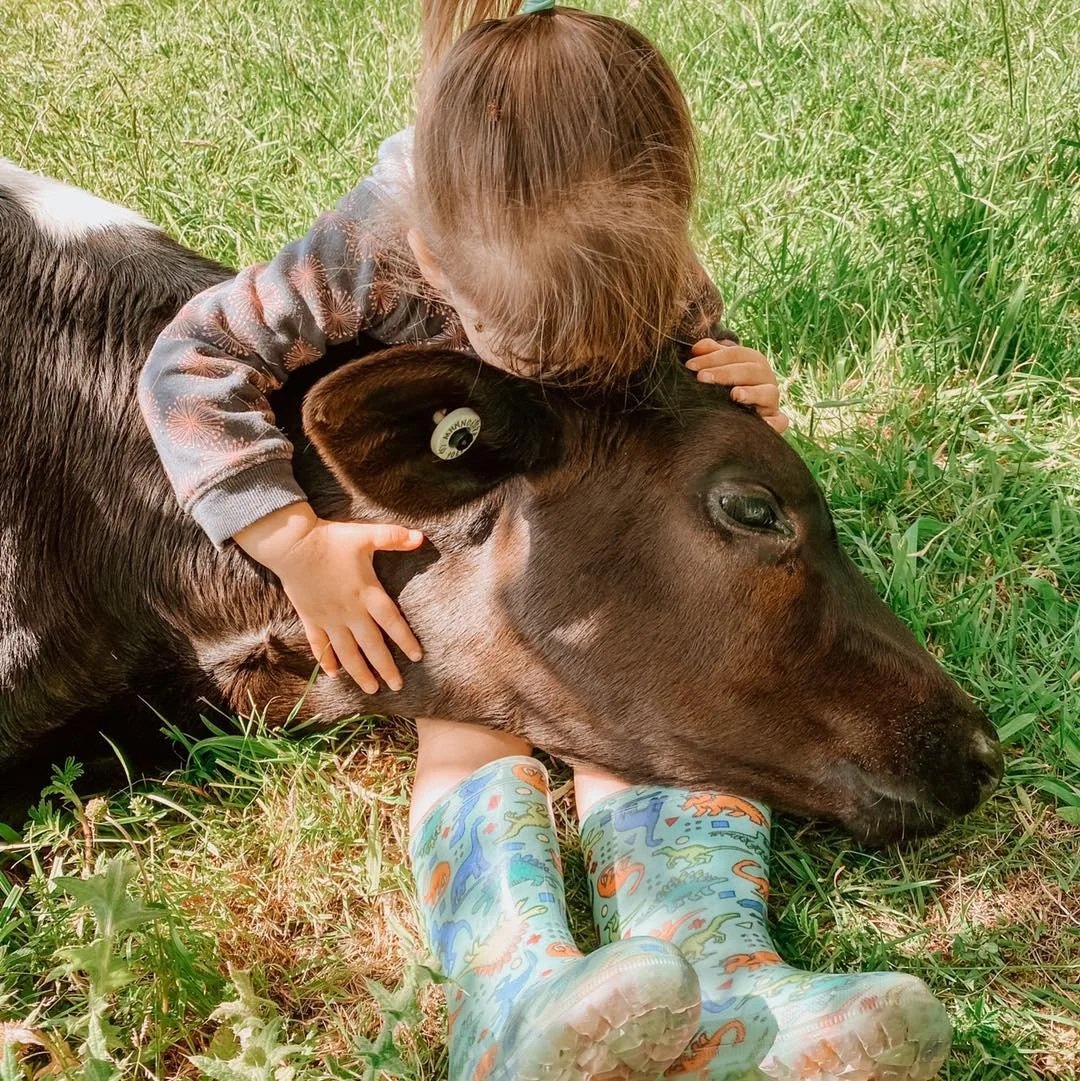

Calf Adoption - Saving a life will change yours
Give a second chance to an ex-dairy calf or cow/steer through adoption. By adopting a Companion Cow, you will get a loving bovine buddy and inspire people in your community and family to realise that cows are more than commodities. When given the opportunity, they are intelligent, affectionate & curious!
Disclaimer:
The information provided here is for general guidance only. For professional advice on the care and treatment of animals, especially when tube feeding a calf, it is essential to consult a licensed veterinarian. Each animal's situation is unique, and veterinary expertise is crucial for proper care. We do not accept responsibility for any actions taken based on this information.